Nils Schmitz · 5 October 2026
Building Interlinked Knowledge Repositories Through Hierarchical Containment for Standalone Digital Projects
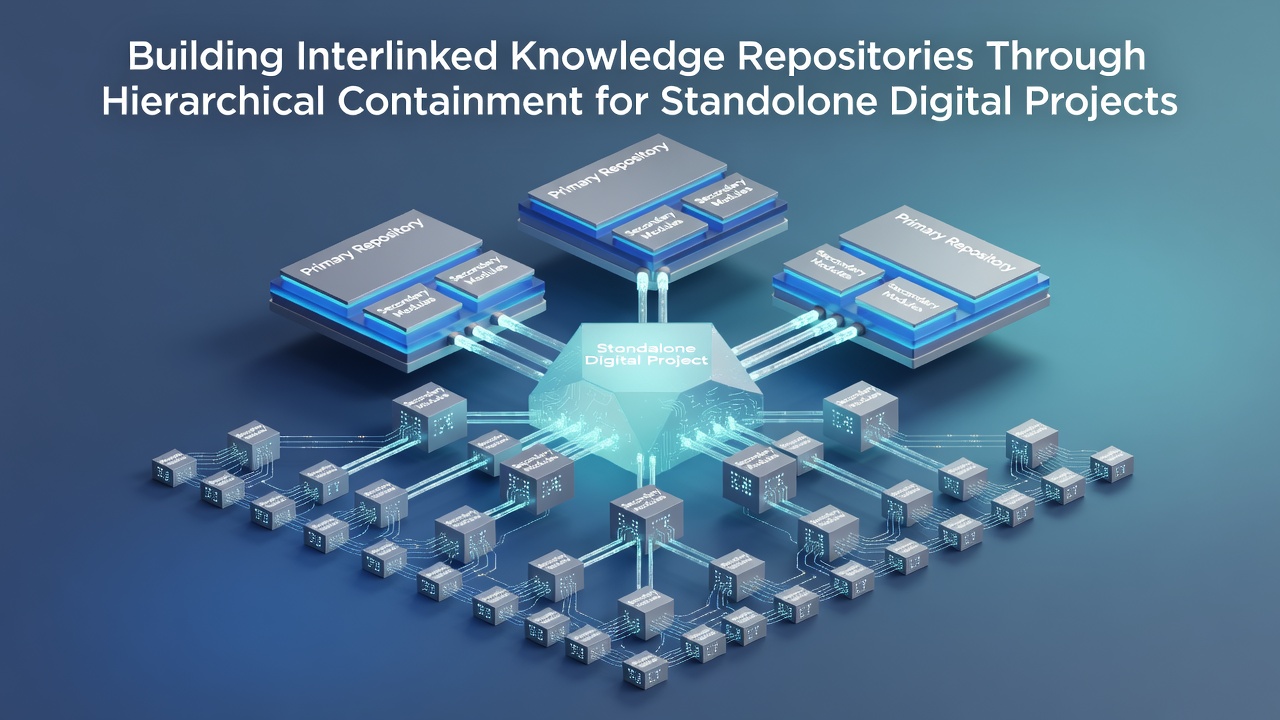
Standalone digital projects often rely on structured approaches to manage growing collections of information, and hierarchical containment offers one method for creating interlinked knowledge repositories that maintain connections across layers without depending on centralized platforms. This approach organizes content into nested categories where each level contains related items while allowing links to cross between branches, which supports navigation in independent sites that operate on their own servers or domains.
Core Principles of Hierarchical Containment
Hierarchical containment works by defining parent and child relationships among digital assets, so a top-level topic holds subtopics that in turn contain individual records or files, and researchers have documented how this nesting reduces duplication while preserving context across the repository. Data from digital preservation initiatives shows that projects using containment structures experience fewer broken internal references compared to flat file systems, because each element stays tied to its container even as external links form between parallel branches. Observers note that containment also enables version control at multiple scales, since updates to a child item can propagate signals upward without overwriting sibling content.
Interlinking Mechanisms in Practice
Interlinking occurs when containers reference content outside their direct hierarchy through explicit pointers or metadata tags, and studies from academic computing departments indicate that bidirectional links between hierarchies improve discoverability in standalone environments where search engines may not index everything uniformly. Those who have implemented such systems often combine containment with lightweight scripts that scan for cross-references, creating a web of connections that remains functional offline or on limited hosting. Evidence from European digital heritage projects demonstrates that this combination supports sustained access over years, because the structure itself carries navigational cues that do not require ongoing external services.
Implementation Steps for Independent Projects
Developers typically begin by mapping existing content into initial containment layers, then add metadata fields that record both parent relationships and lateral links, while testing reveals that gradual layering prevents overload on small teams managing standalone sites. According to reports from the National Library of Australia, projects that document their containment rules at the outset maintain consistency as collections expand, and figures from similar efforts show reduced migration costs when moving between hosting providers because the hierarchy travels with the files. And because links stay embedded in the structure, updates in October 2026 to related standards on digital object identifiers are expected to integrate smoothly with these repositories.
Examples from Current Deployments
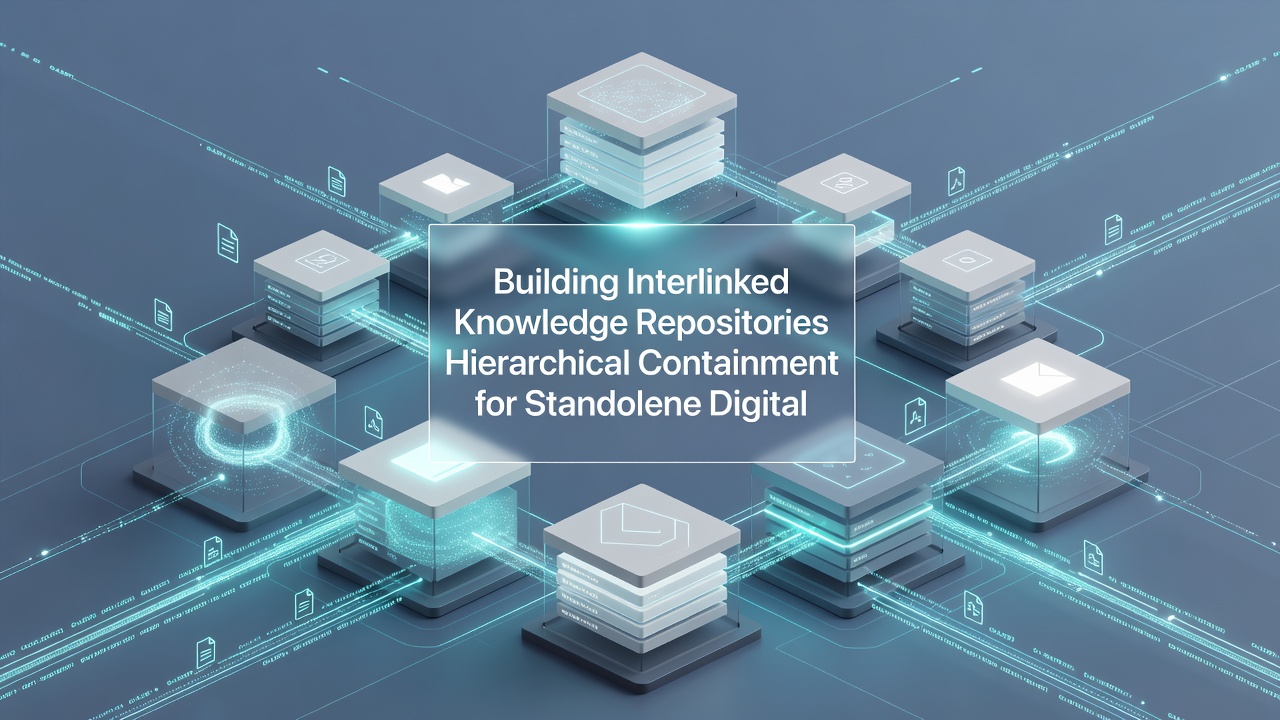
One research team working with regional archives applied containment to organize oral history recordings alongside transcribed texts and geographic data, resulting in a system where users move from a broad regional container down to specific interviews while also jumping to linked thematic collections in neighboring hierarchies. Data collected during that rollout indicated a measurable increase in the number of items accessed per session once cross-links were activated, and similar patterns appear in independent educational sites that use containment to group lesson modules with supplementary readings. Those deployments further illustrate how the method scales to projects without dedicated IT staff, since the core organization relies on file-system conventions supplemented by simple index files rather than complex databases.
Addressing Maintenance and Scalability
Maintenance involves periodic audits of link integrity within and across containers, and industry reports from research institutions in Canada highlight that automated checks combined with manual review cycles keep error rates low even as repositories grow beyond several thousand items. Scalability comes from the fact that new branches can attach at any level without restructuring the entire tree, although observers point out that clear naming conventions become essential once multiple contributors edit the same hierarchy. Projects that adopt these practices report sustained performance on modest hardware, which aligns with the needs of standalone digital initiatives that prioritize independence over cloud scalability.
Conclusion
Hierarchical containment combined with deliberate interlinking provides a practical framework for standalone digital projects seeking durable knowledge repositories, and ongoing work in digital preservation continues to refine the supporting tools and standards that make such structures viable over extended periods. As collections evolve through 2026 and beyond, the approach offers a foundation that remains adaptable while preserving the autonomy of independent sites.