Nils Schmitz · 7 September 2026
Community Approaches to Layered Content Organization in Independent Web Projects
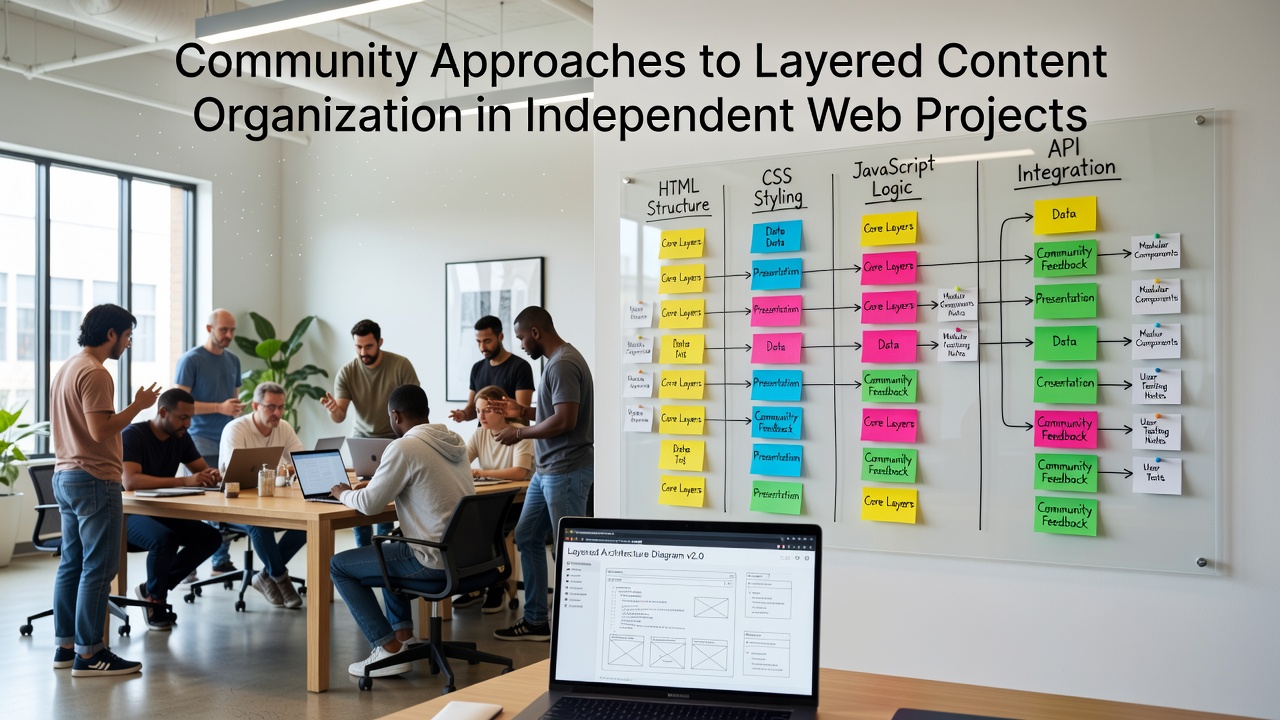
Independent web projects have long relied on community-driven methods to handle growing volumes of material, and layered content organization has emerged as one practical response to that challenge. Researchers from various institutions have documented how groups divide information into distinct strata such as core documentation, supplementary resources, user contributions, and archival layers, allowing each tier to evolve without disrupting the others. This separation helps maintainers keep primary content stable while still accommodating updates from diverse contributors, and data from open-source repositories shows that projects adopting such structures experience fewer merge conflicts over time.
Core Principles Behind Layered Structures
Observers note that effective layering begins with clear definitions of what belongs in each level, a practice that communities refine through repeated discussion and iteration. Core layers typically contain the foundational material that defines the project's purpose and technical specifications, while secondary layers hold tutorials, examples, and extended explanations that can change more frequently. Tertiary layers capture community input such as forum threads, issue comments, and contributed articles, all of which remain separate from the stable base. Studies conducted by academic teams at institutions across North America and Europe indicate that this separation reduces the cognitive load on new visitors, who can navigate directly to the layer that matches their current needs.
Implementation often involves lightweight markup conventions or simple directory hierarchies rather than complex databases, because many independent projects operate with limited resources. Contributors follow shared guidelines that specify how to tag or place new material so it lands in the correct stratum automatically, and these guidelines are updated collectively whenever patterns in usage become evident. One project maintained by volunteers in the Asia-Pacific region demonstrated that consistent tagging reduced the time spent on reorganization tasks by measurable margins, according to internal logs shared in public repositories.
Tools and Workflows Adopted by Communities
Many groups combine static site generators with version control systems to enforce layer boundaries without requiring custom software. Files placed in designated folders automatically inherit the appropriate visibility rules, and automated scripts can flag content that appears to violate the established structure. Participants in these workflows report that the combination of automation and human review keeps the system responsive while preserving the integrity of each layer over extended periods.
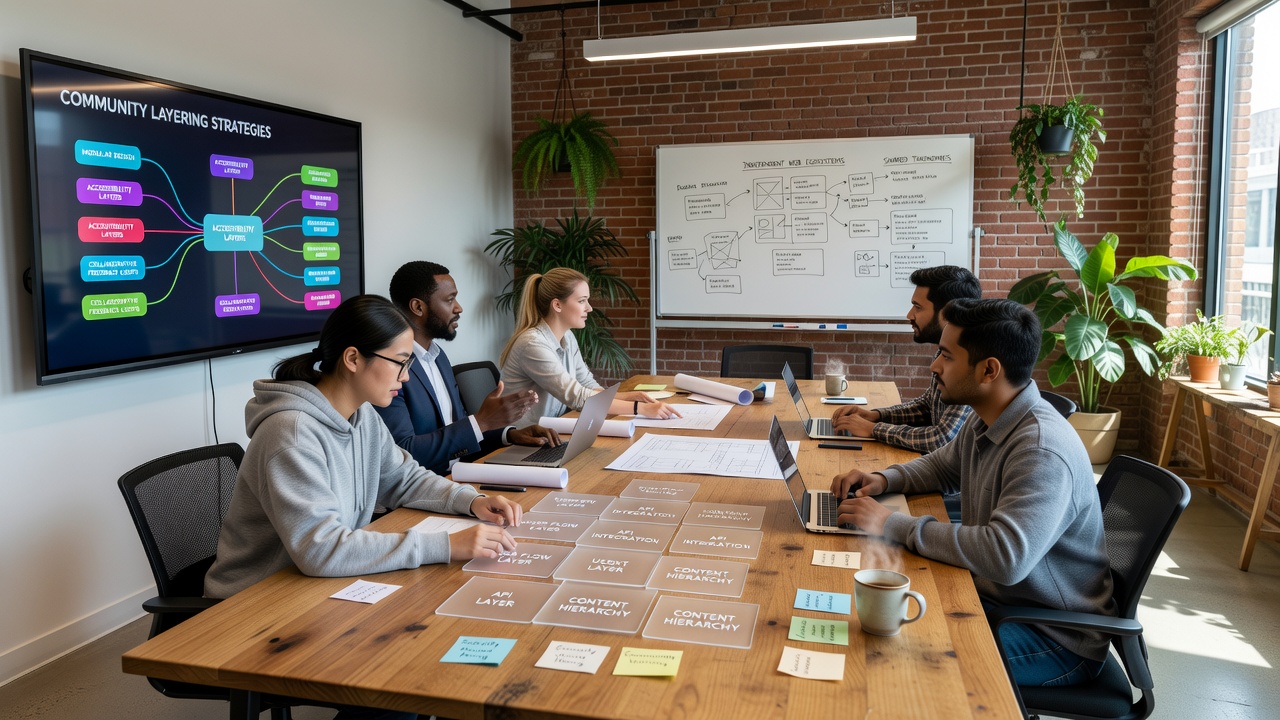
Events scheduled for September 2026, including regional meetups focused on decentralized web infrastructure, are expected to feature sessions where maintainers share updated templates for managing these layers. Such gatherings provide opportunities for cross-pollination of techniques between projects that otherwise operate in isolation, and preliminary agendas circulated by organizers list discussions on handling multilingual contributions within layered frameworks.
Case Examples from Active Projects
There's this case where a documentation collective based in Canada implemented a three-tier system that separated API references from usage guides and from user-submitted translations, resulting in clearer navigation paths for readers in multiple languages. Another instance involves a European collective that used semantic HTML attributes to mark layer membership, allowing search engines to surface the most appropriate stratum depending on query type. Figures released by the project maintainers showed an increase in return visits after the change, although the team attributed part of that rise to concurrent improvements in mobile responsiveness.
What's interesting is how these approaches scale when participation grows. Communities that began with simple folder-based separation later introduced metadata schemas to track relationships between layers, preventing duplication while still allowing cross-references. Research indicates that such metadata becomes especially valuable once a project exceeds several hundred contributors, because manual oversight alone proves insufficient to maintain consistency.
Challenges and Adjustments Over Time
Even well-designed systems encounter friction when new types of content emerge that do not fit neatly into existing categories. Communities respond by holding periodic reviews, often quarterly, during which contributors propose adjustments to layer definitions or introduce new strata. Records from several long-running sites reveal that these reviews frequently lead to the creation of transitional layers that later merge into permanent structures once usage patterns stabilize.
External factors such as changes in browser capabilities or shifts in search engine indexing practices can also prompt reevaluation of layering strategies. Groups that monitor these developments through mailing lists and standards announcements are better positioned to adapt their organization methods before widespread disruption occurs.
Conclusion
Community approaches to layered content organization continue to evolve as independent web projects accumulate material and participants. The methods rely on shared conventions, lightweight tooling, and regular collective review rather than centralized authority, and evidence from multiple regions shows measurable benefits in maintainability and accessibility. As gatherings planned for September 2026 approach, further refinements are likely to surface from ongoing experimentation across diverse project types.